
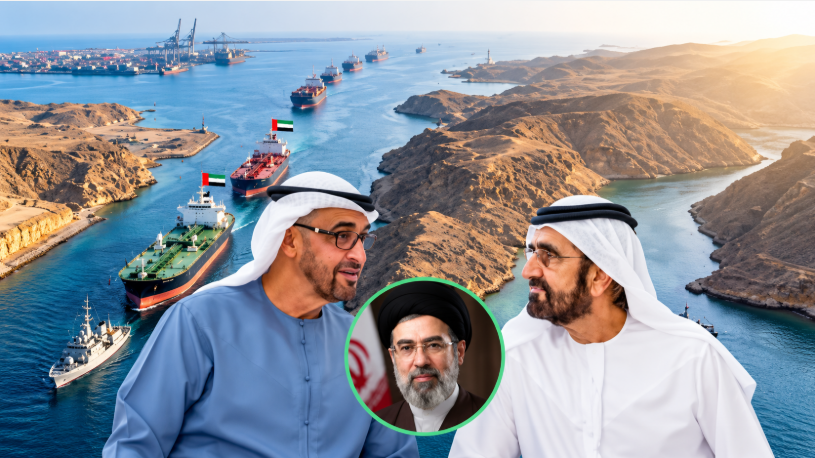
The United Arab Emirates is closely monitoring developments across the Gulf as regional security concerns continue to affect aviation, shipping, energy markets and everyday life. On September 7, UAE officials said the country is working to develop alternative trade and energy routes so that exports are not disrupted by the ongoing US-Iran conflict and tensions around the Strait of Hormuz.
Key UAE Headlines Today
- Energy Security: UAE authorities are developing alternative routes for energy exports and international trade.
- Strait of Hormuz: Shipping security remains a major concern for Gulf countries.
- Regional Tensions: The continuing US-Iran conflict is affecting maritime and aviation operations.
- Oil Exports: The UAE is seeking to protect the movement of energy products despite regional risks.
- UAE Airports: Dubai, Abu Dhabi and Sharjah airports remain operational.
- Flight Changes: Airlines continue adjusting schedules because of changing regional airspace conditions.
- Jakarta Flights: Emirates and Etihad have reported cancellations and delays connected to volcanic ash in Indonesia.
- Travel Advice: Passengers are being advised to check airline information before travelling.
- Dubai Airport: Additional staffing and smart-gate capacity are being used to manage passenger movements.
- Fuel Costs: Regional shipping disruptions could create pressure on fuel and transport costs.
- Trade: The UAE continues working to maintain international supply chains.
- Economic Resilience: Strong non-oil business activity is supporting investor confidence.
UAE presidential adviser Anwar Gargash said the country is building alternative routes for energy exports and trade so that the UAE’s economy is not held hostage by the conflict. The comments underline the importance of keeping international commerce moving despite increased risks around the Gulf’s major shipping routes.
The Strait of Hormuz remains particularly important because it is a major route for global energy shipments. Recent attacks and threats involving commercial vessels have increased concerns among shipping companies and insurers. A prolonged disruption could affect freight costs, fuel prices and the movement of imported goods.
Aviation is another major concern for UAE residents and international travellers. The country’s major airports remain open, but airlines are continuing to modify schedules as regional conditions change. Travellers are being encouraged to check airline and airport notices before leaving for the airport.

UAE carriers are also dealing with a separate disruption involving Indonesia. Volcanic ash has affected Jakarta’s Soekarno-Hatta International Airport, leading to cancellations and delays affecting flights between the UAE and Indonesia. Emirates and Etihad are among the airlines affected.
Despite the geopolitical uncertainty, the UAE economy continues to show signs of resilience. The country’s non-oil private-sector activity accelerated in August, reaching its strongest pace since December 2024. Stronger output and new business helped support financial-market sentiment, with both Dubai and Abu Dhabi markets recording gains.
The UAE is also continuing humanitarian and international activities. A UAE response team has begun search-and-rescue operations in flood-hit Nepal, where thousands of people remain missing following catastrophic flooding.
For residents, the immediate issues to watch are transport, fuel prices, shipping activity and regional security. Authorities continue to urge the public to rely on official announcements rather than unverified social-media reports.
Overall, the UAE’s latest news is being shaped by regional security concerns, energy protection, aviation changes and efforts to maintain economic stability. The country’s development of alternative trade routes shows how authorities are preparing for possible prolonged disruption while attempting to keep international commerce operating.
