
Table of Contents
Top Headlines
- Iran has strongly condemned Austria for blocking its nuclear chief Mohammad Eslami from attending the IAEA General Conference in Vienna.
- Tehran says the decision is politically motivated and violates Iran’s rights as an IAEA member.
- Austria says a UN Security Council sanctions committee rejected a travel-ban exemption requested for Eslami.
- The IAEA has reported Iran to the UN Security Council over concerns about its nuclear safeguards obligations.
- International inspectors remain unable to fully verify the condition of several Iranian nuclear facilities.
- Tensions involving Iran and the United States remain closely connected to security in the Strait of Hormuz.
- Iran-backed Houthi forces have launched fresh attacks against Saudi targets, increasing concerns about wider regional escalation.
- Rising Middle East tensions have pushed global oil prices higher, creating additional economic pressure.
- Iran’s economy continues to face severe pressure from sanctions, conflict-related disruption and high living costs.
- Tehran continues to reject accusations that it is pursuing nuclear weapons, insisting that its nuclear program is peaceful.
Iran News Today
Iran remains at the center of major international developments on September 15, 2026, with nuclear diplomacy, sanctions, regional military tensions and economic pressure dominating the latest headlines. The country’s relations with the United States and Western governments remain particularly tense as international efforts to monitor Iran’s nuclear program continue.
Iran Condemns Nuclear Chief Travel Ban
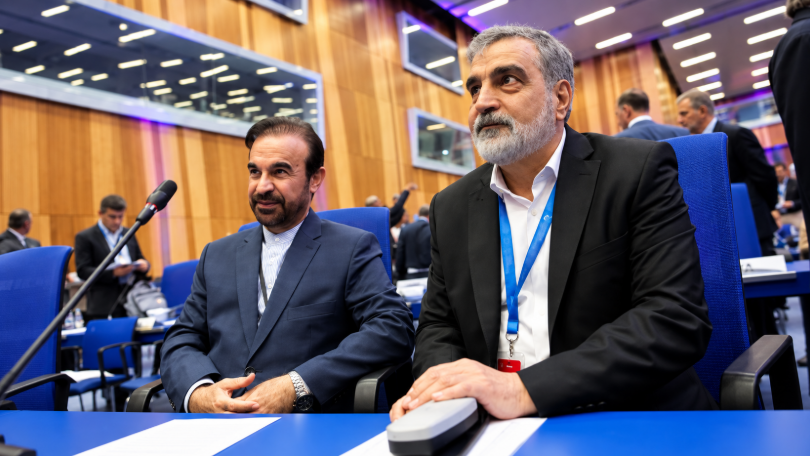
One of the biggest Iran news stories today concerns Mohammad Eslami, head of the Atomic Energy Organization of Iran. Eslami was prevented from attending the International Atomic Energy Agency’s annual General Conference in Vienna after a request for an exemption from a UN travel ban was rejected.
Iran strongly criticized Austria, which hosts the IAEA, arguing that the decision interfered with Tehran’s participation in the international nuclear organization. Iranian officials also accused Washington of pressuring Austria to prevent Eslami from attending the meeting.
Austria has defended its position, saying that it had requested an exemption but that the relevant UN sanctions committee rejected the request following an objection from the United States.

Nuclear Dispute Remains a Major Issue
The diplomatic dispute comes as international concerns about Iran’s nuclear program remain high. The IAEA has said it has been unable to conduct full inspections of key Iranian nuclear facilities following earlier military strikes.
The agency’s Board of Governors recently adopted a resolution accusing Iran of failing to comply with its nuclear safeguards obligations and referred the matter to the UN Security Council. Iran disputes the allegations and says the circumstances created by military attacks have made inspections difficult.
The situation is particularly sensitive because the IAEA has been unable to independently verify important information about Iran’s enriched uranium stockpile and damaged nuclear facilities.
Strait of Hormuz and Regional Tensions
Iran’s relationship with the wider Gulf region is another major focus. The strategic Strait of Hormuz remains central to international energy markets because of its importance for global oil transportation.
Fresh attacks by Iran-aligned Houthi forces against Saudi Arabia have increased concerns that the wider conflict could spread further across the Middle East. Reuters reported that Gulf states have also postponed planned discussions with Iran amid the latest escalation.
The developments are being closely monitored by governments and energy markets because prolonged instability around major shipping routes could disrupt global fuel supplies.
Oil Prices Rise Amid Middle East Uncertainty
International oil prices have climbed as attacks and shipping concerns increase. Reuters reported that Brent crude moved above $106 per barrel on September 15 after attacks disrupted Saudi energy infrastructure and raised concerns about the security of alternative oil-export routes.
Higher oil prices could create additional pressure on economies around the world. For Iran, however, the energy-market situation is complicated by sanctions and restrictions affecting its ability to fully benefit from international oil trade.
Iran’s Economy Under Pressure
Iranian households continue to face significant economic difficulties. Earlier reports have highlighted high inflation, currency weakness, shortages and reduced purchasing power.
The country’s economic problems have been intensified by sanctions and the destruction or disruption of industrial infrastructure during the conflict. Analysts have warned that rebuilding damaged facilities and restoring investment could take years.
The government has attempted to support vulnerable households through subsidies and essential-goods programs, but economic pressure remains substantial.
Diplomatic Options Remain Uncertain
Despite the continuing tensions, diplomacy remains an important part of the international response to Iran. The IAEA continues to seek greater access and information, while regional governments are concerned about the possibility of further escalation.
Iran has repeatedly rejected Western accusations regarding its nuclear intentions and has argued that sanctions and military pressure should not determine its diplomatic rights.
International Concern Over Regional Escalation
The latest developments demonstrate how Iran’s nuclear dispute is connected to broader security issues across the Middle East. Developments involving Saudi Arabia, Yemen, the Strait of Hormuz and international oil markets could all influence the next stage of the crisis.
For Iran, restoring economic stability while managing international pressure and regional security challenges remains one of the government’s most difficult tasks.
