Table of Contents
India’s health sector is seeing renewed attention on food safety, infectious diseases, vaccination and preventive healthcare as authorities and health experts focus on reducing avoidable health risks.
Food Safety Crackdown Expands Across India
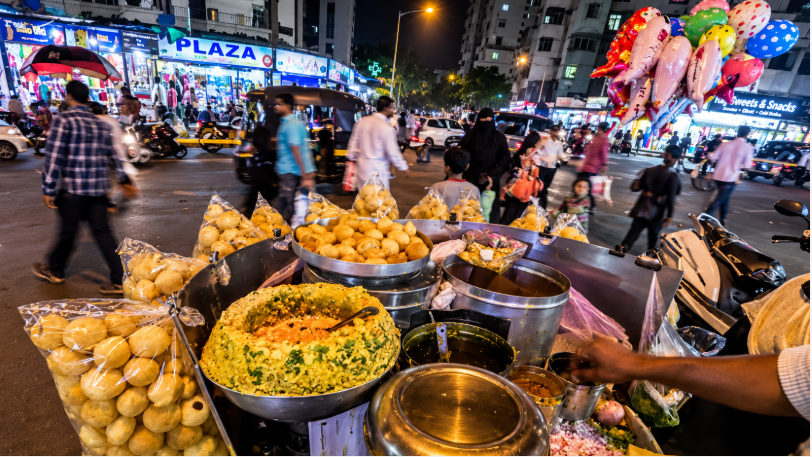
Food safety has emerged as a major public-health issue as regulators intensify inspections of restaurants, food manufacturers and other businesses. Authorities have reported action against thousands of food businesses over hygiene, licensing and quality concerns. Recent enforcement efforts have also included seizures of suspected adulterated food products and investigations into labeling practices.
The wider debate is also focusing on packaged foods that contain high levels of added sugar, salt and saturated fat. Proposed warning labels are intended to help consumers make more informed choices, although health activists and industry groups disagree over how strict the proposed system should be. The issue is expected to receive further legal attention in the coming days.
Health experts continue to stress that better food labeling, stronger inspections and improved consumer awareness can play an important role in preventing lifestyle-related diseases.

H1N1 and Influenza Remain Health Concerns
Influenza activity has also remained an important health story in India. Delhi has reported a significant increase in H1N1 cases this year, prompting health authorities to issue preventive guidance. Recommendations include wearing masks in crowded settings, maintaining hand hygiene and avoiding close contact with people showing symptoms.
Vaccination is another key part of the response. Health specialists say seasonal flu vaccination can help reduce the risk of influenza-related illness, hospitalisation and complications, particularly among vulnerable groups.
Dengue Prevention Gets New Boost
India has also taken a major step in dengue prevention with regulatory approval of Qdenga, the country’s first approved dengue vaccine. The vaccine is authorised for people aged 4 to 60 and is administered in two doses three months apart. The government says the vaccine will complement existing measures such as mosquito control, surveillance, early diagnosis and treatment.
With dengue transmission increasingly influenced by changing weather patterns, urbanisation and mosquito breeding conditions, preventive action remains important for communities across the country.
Key Health Headlines
- Food safety inspections and enforcement operations are expanding.
- H1N1 and seasonal influenza remain areas of concern.
- India has approved its first dengue vaccine.
- Experts continue to encourage vaccination and preventive healthcare.
- Food labeling and consumer health protections remain under discussion.
India’s latest health developments underline the growing importance of prevention, early detection, safe food practices and accessible healthcare.
