
Table of Contents
Top Headlines
- Iran remains at the centre of a major regional crisis, with the Strait of Hormuz, US-Iran diplomacy and nuclear issues dominating the latest developments.
- Iran has rejected immediate US talks unless Washington meets conditions including an end to military operations and sanctions relief.
- Iranian Foreign Minister Abbas Araghchi has travelled to China for discussions with Chinese Foreign Minister Wang Yi as Tehran seeks diplomatic support.
- Commercial traffic through the Strait of Hormuz remains severely disrupted, with only a small number of vessels reported to have crossed recently.
- Iran’s economy is facing severe inflation and declining purchasing power amid war, sanctions and disruptions to oil exports.
- Iranian authorities continue to face international pressure over access to the country’s nuclear facilities and cooperation with the IAEA.
- Iran’s mandatory headscarf rules remain a source of domestic debate as authorities balance enforcement with wider social and economic pressures.
- President Masoud Pezeshkian has said Iran is ready to resolve differences with neighbouring countries through diplomacy and mutual respect.
Iran News Today: Strait of Hormuz Crisis Remains Central
The latest Iran news today is dominated by the continuing crisis around the Strait of Hormuz and the wider confrontation involving Iran, the United States and regional countries.
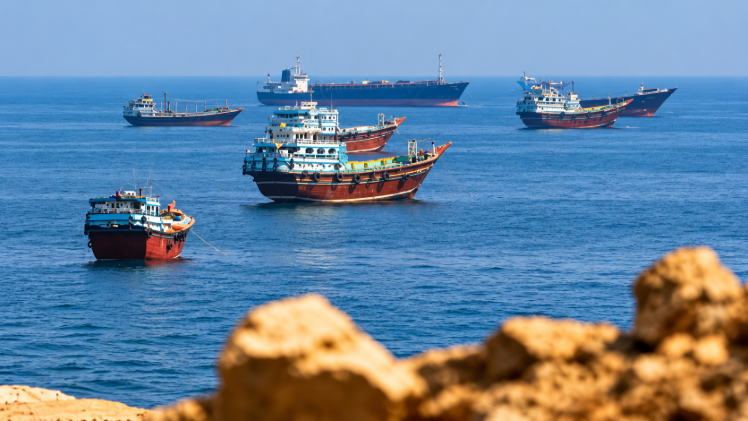
Iran has linked any reopening of the strategically important waterway to conditions it wants Washington to meet, including an end to military operations and sanctions relief. The National reported that commercial traffic through the Strait has fallen dramatically compared with the period before the conflict.
The Strait of Hormuz is particularly important to the global economy because it is a major route for crude oil and liquefied natural gas shipments. Continued disruption has therefore contributed to higher energy-market uncertainty and increased concerns about transportation and supply chains.
Iran and US Diplomacy
Diplomatic efforts remain uncertain. Iranian officials have sent mixed signals about negotiations, with Foreign Minister Abbas Araghchi indicating that Tehran wants a peaceful solution while other senior officials have said negotiations cannot resume until Iran’s conditions are met.

Iran has demanded changes to the US military posture, sanctions and shipping restrictions. Tehran has also called for the release of frozen assets and compensation for war-related damage, according to reporting on the negotiations.
The United States has continued to maintain military forces in the region while also leaving open the possibility of diplomatic engagement.
Iran Foreign Minister Visits China
Iranian Foreign Minister Abbas Araghchi is visiting Beijing, where he is holding talks with Chinese Foreign Minister Wang Yi. The visit comes as Iran looks for diplomatic support from major international partners.
China has publicly called for dialogue and has expressed support for Iran’s legitimate interests while also emphasizing the importance of regional stability. The meeting is taking place against the backdrop of the wider Middle East conflict and disruption to energy transportation.
China’s role could become important if diplomatic efforts involving Iran, the United States and Gulf countries develop further.
Iran Nuclear Program and IAEA Dispute
Iran’s nuclear programme remains another major international issue. The International Atomic Energy Agency has warned that limited access to Iranian nuclear facilities is creating difficulties in verifying the country’s nuclear activities.
Iranian officials have criticised IAEA Director General Rafael Grossi and questioned the agency’s approach to inspections. Iranian critics have also raised calls for Tehran to reconsider its participation in the Nuclear Non-Proliferation Treaty.
The dispute has become more complicated following the recent conflict and concerns about the security of nuclear facilities.
Iran Economy Faces Severe Pressure
Iran’s economic situation has deteriorated significantly amid the conflict, sanctions and restrictions on oil exports.
Reuters reports that inflation has reached extremely high levels, with overall consumer prices approaching 90% year-on-year and food inflation even higher. The sharp decline in the Iranian rial has reduced the value of household savings and wages.
The economic pressure is also affecting Afghan migrants who have lived and worked in Iran for years. Thousands are now returning to Afghanistan after losing employment and seeing their savings lose substantial value.
The disruption to oil exports and international shipping is adding further pressure to government revenues and domestic businesses.
Social Issues and Headscarf Rules
September 16 also marked four years since the death of Mahsa Amini, whose death after detention over alleged headscarf violations triggered nationwide protests in 2022.
The enforcement of mandatory headscarf rules remains a sensitive issue in Iran. AP reports that enforcement has eased in many public spaces, while conservative elements continue to call for stricter implementation. Authorities have been cautious about a major crackdown amid the country’s war and economic difficulties.
The debate illustrates the continuing social divisions surrounding Iran’s dress regulations.
Pezeshkian Calls for Regional Diplomacy
Iranian President Masoud Pezeshkian has said his country is prepared to resolve disagreements with neighbouring countries through dialogue and mutual respect. Iranian state media reported his comments on September 17.
