
Table of Contents
Top Headlines
- USA business news today: U.S. markets are facing renewed volatility as investors assess rising oil prices, Treasury yields and expectations for Federal Reserve policy.
- Wall Street stocks moved lower on September 14 as AI-related shares came under pressure.
- Nvidia fell about 3%, while semiconductor stocks recorded some of the day’s sharpest declines.
- The U.S. 10-year Treasury yield briefly reached 5%, increasing concerns about borrowing costs for businesses and consumers.
- Rising oil prices are adding to inflation concerns after disruptions to Saudi energy infrastructure.
- Investors are closely watching the Federal Reserve ahead of its September policy meeting, with markets increasingly pricing in a possible rate increase.
- AI remains a major business theme, but concerns about the pace and risks of artificial intelligence development are creating fresh pressure on technology stocks.
- U.S. economic growth remained positive in the second quarter, with real GDP increasing at an annualised 1.5% rate.
USA Business News Today
The U.S. business environment is entering a closely watched period as investors, companies and consumers respond to changes in interest-rate expectations, energy prices and technology-sector sentiment. On September 14, Wall Street was under pressure as investors reassessed the outlook for artificial intelligence companies and the broader economy.
The latest market movement highlights how quickly sentiment can change when several economic risks appear at the same time. Higher oil prices can increase transportation and manufacturing costs, while higher Treasury yields can raise financing expenses for companies and households.
Wall Street Faces AI Stock Pressure
Technology stocks were among the biggest areas of weakness on September 14. Nvidia shares declined around 3%, while the semiconductor index fell nearly 5%, according to Reuters. Intel, AMD and Marvell were also among the companies affected by the technology sell-off.
The decline followed renewed debate among prominent technology executives about the speed of AI development. Leaders including Anthropic’s Dario Amodei, OpenAI’s Sam Altman and Elon Musk have expressed concerns about the risks associated with rapidly advancing AI systems.

The market reaction does not necessarily indicate a long-term reversal in AI investment. However, investors are increasingly examining whether extremely high technology valuations can be sustained while companies spend heavily on data centres, chips and computing infrastructure.
Federal Reserve Rate Decision in Focus
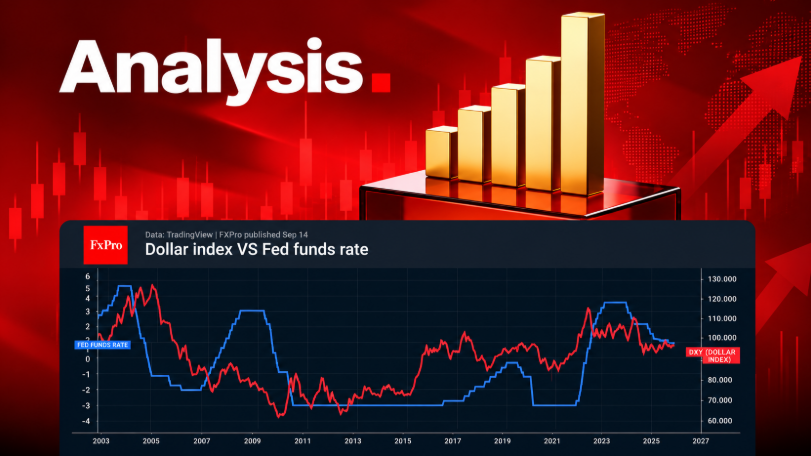
Monetary policy is another major factor influencing USA business news today. Financial markets are preparing for the Federal Reserve’s upcoming policy decision, with traders increasingly expecting a rate increase.
Higher interest rates can affect businesses by making loans and investment more expensive. Small businesses, property companies and highly leveraged corporations can be particularly sensitive to changes in borrowing costs.
The rise in the 10-year Treasury yield has added another layer of pressure. The benchmark briefly reached 5%, a level that has not been seen in years, before easing back.
Oil Prices Raise Business Costs
Energy markets are also influencing the U.S. economic outlook. Brent crude moved above $108 per barrel and approached $110 after attacks disrupted important Saudi energy infrastructure.
Higher oil prices can affect almost every part of the economy. Transportation companies face higher fuel bills, manufacturers may pay more for production and logistics, while consumers can experience higher prices for gasoline and other goods.
Businesses are therefore watching developments in global energy markets closely. Continued disruption could make it harder for central banks to control inflation.
U.S. Economy Continues to Grow
Despite the market volatility, official economic data shows that the U.S. economy continues to expand. The Bureau of Economic Analysis reported that real GDP increased at an annual rate of 1.5% in the second quarter of 2026, following 2.1% growth in the first quarter. Consumer spending, exports and investment contributed to growth.
Personal income also increased in July, while personal consumption expenditures rose 0.2%. These figures suggest that consumer activity remains an important support for the American economy.
However, the economy faces competing pressures from inflation, energy costs and higher borrowing rates.
U.S. Companies Look Toward Global Markets
American businesses are also continuing to pursue international expansion. In Alabama, for example, the Alabama International Trade Center is helping local companies develop export strategies, access international markets and connect with overseas business opportunities.
This illustrates the broader importance of exports for U.S. businesses, particularly smaller companies seeking growth beyond domestic markets.
International investment opportunities are also developing in new markets. A U.S. business delegation representing about 50 companies travelled to Syria on September 14 for discussions about investment and economic partnerships.
What to Watch Next
For businesses and investors, the coming days will be particularly important. The Federal Reserve’s interest-rate decision, inflation data, Treasury yields, oil prices and technology-stock performance could all influence market sentiment.
The direction of AI investment will also remain a major theme. Companies are continuing to spend heavily on AI infrastructure, but investors are increasingly demanding evidence that those investments can generate sustainable revenue and profits.
