
Table of Contents
Top Headlines
- India has administered 80 lakh HPV vaccine doses, marking a major milestone in the national cervical cancer prevention programme.
- The Union Health Ministry continues to strengthen public-health surveillance through the National One Health Mission.
- Wastewater surveillance covering 13 priority pathogens across 47 cities is planned to expand to 75 cities by 2027.
- Five genomic and metagenomic hubs have been established to improve detection of novel and emerging pathogens.
- India’s Health Ministry has highlighted the importance of public health as a national-security priority.
- Ten Critical Care Blocks and 12 Integrated Public Health Laboratories were inaugurated in Andhra Pradesh.
- India is considering stronger front-of-pack warning labels for foods high in sugar, salt or saturated fat.
- India’s healthcare sector is also seeing regulatory changes for medical devices aimed at improving transparency and ease of doing business.
India Latest Health News Today
India latest health news today is focused on preventive healthcare, vaccination, disease surveillance, medical infrastructure and stronger public-health regulation. As of September 14, 2026, the country is expanding several programmes designed to detect health threats earlier while improving access to essential healthcare services.
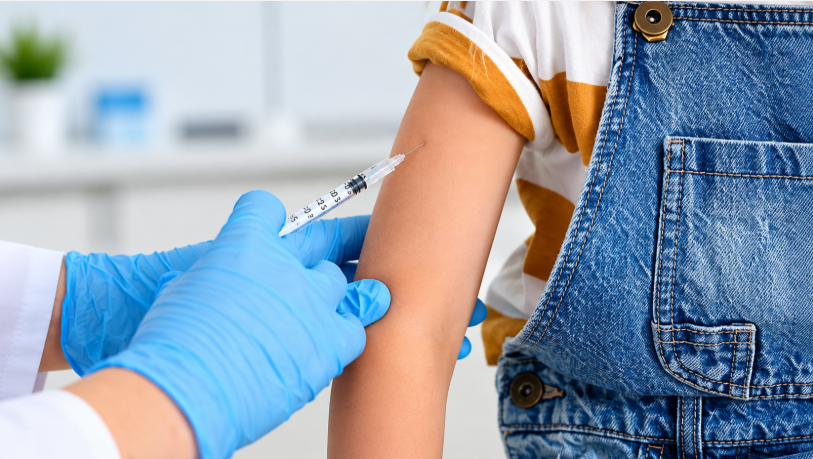
One of the most significant recent developments is India’s progress in HPV vaccination. The Union Health Ministry reported that India has administered 80 lakh HPV vaccine doses, representing an important milestone in the country’s effort to prevent cervical cancer. The programme is aimed at strengthening protection among eligible adolescent girls and supporting long-term cancer prevention.
HPV Vaccination Drive Gains Momentum
Human papillomavirus is associated with cervical cancer, making vaccination an important preventive-health measure. India’s nationwide vaccination campaign has been expanding through state-level health systems and frontline healthcare workers.
Earlier updates from the Health Ministry showed that the programme had crossed 50 lakh doses within its first three months, demonstrating the scale at which vaccination is being implemented across the country.

The latest milestone is significant because vaccination can reduce the future burden of HPV-related disease. Public-health authorities continue to stress the importance of awareness, timely vaccination and regular medical screening.
India Expands Disease Surveillance
Another important India health news update concerns the National One Health Mission. According to the ICMR Director-General, India is developing an integrated approach that brings together human, animal and environmental health surveillance.
The programme includes syndromic surveillance, animal-human-wildlife monitoring and wastewater surveillance. Wastewater monitoring currently tracks 13 priority pathogens across 47 cities and is expected to expand to 75 cities by 2027.
This approach can help authorities identify potential disease threats before they develop into larger outbreaks. It is particularly important because some infectious diseases can move between animals and humans.
Genomic Hubs to Strengthen Health Security
India has also established five genomic and metagenomic hubs to improve the country’s ability to identify novel or previously unknown pathogens.
Genomic surveillance allows scientists to study genetic characteristics of viruses, bacteria and other pathogens. Such information can help health authorities understand how infections are changing and support faster responses to emerging public-health threats.
The development comes as India seeks to strengthen its preparedness for future infectious-disease emergencies.
Critical Care and Public Health Infrastructure
Healthcare infrastructure is another major focus of the latest national updates. Union Health Minister J.P. Nadda recently described public health as an important component of national security while inaugurating 10 Critical Care Blocks and 12 Integrated Public Health Laboratories in Andhra Pradesh.
Critical-care facilities can improve access to advanced treatment during medical emergencies, while integrated laboratories can strengthen testing and disease surveillance.
The expansion of these facilities is part of a broader effort to improve healthcare access beyond major metropolitan hospitals and strengthen India’s public-health system.
Food Safety and Warning Labels
Food and nutrition policy has also become a major health issue. The government has indicated that it is open to stronger warning labels on packaged foods containing high levels of added sugar, salt or saturated fat.
The issue is being examined by the Supreme Court, which has questioned the pace and design of proposed food-labelling rules. Health experts argue that clearer warning labels could help consumers make better-informed choices and address rising concerns about obesity and lifestyle-related diseases.
The proposed changes could have a significant impact on India’s packaged-food industry if implemented.
Medical Device Regulations
India’s Health Ministry has also introduced regulatory reforms for medical devices. The changes are intended to simplify certain requirements, improve transparency and make the regulatory system easier for businesses while maintaining oversight of medical products.
A stronger medical-device ecosystem could support domestic manufacturing, innovation and wider availability of healthcare technologies.
What to Watch Next
India’s health sector is likely to remain focused on vaccination, disease surveillance, cancer prevention, public-health infrastructure and food safety. The expansion of genomic surveillance and wastewater monitoring could also become increasingly important as authorities prepare for future outbreaks.
For readers searching for India latest health news today, the current developments show a shift toward prevention, early detection and technology-supported healthcare alongside continued investment in hospitals and laboratories.
