Table of Contents
Top Headlines
- Austria’s economy contracted 0.1% quarter-on-quarter in Q2 2026, although economic indicators have recently shown signs of improvement.
- Inflation increased to 3.2% in August, mainly because of higher fuel and heating-oil prices.
- Austria has not yet decided whether to extend its fuel-price brake, which is due to expire at the end of September.
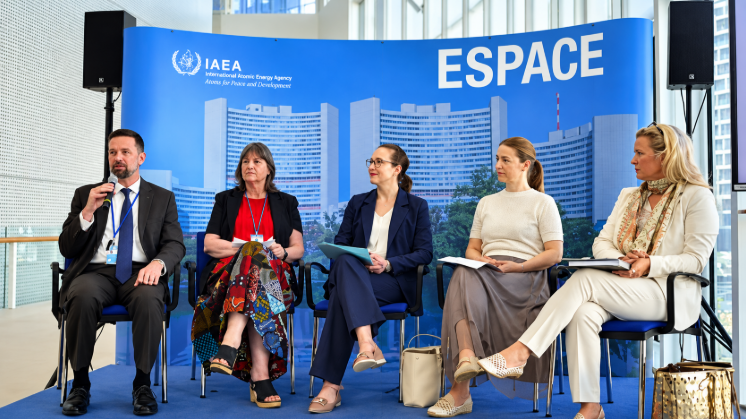
- Vienna is hosting the IAEA General Conference, with nuclear safety and international cooperation among the major issues.
- Austria’s refusal to issue a visa to Iran’s nuclear chief has triggered criticism from Tehran and Russia.
- Austria’s gas-storage position remains relatively strong ahead of winter, with strategic reserves providing an additional supply buffer.
- Chancellor Christian Stocker is challenging the proposed increase in the European Union’s long-term budget and is also discussing migration and energy policy.
- Austria is continuing discussions on energy security as international oil and gas prices remain elevated.
- Fake rental advertisements are becoming a concern in Vienna as demand for accommodation rises at the beginning of the autumn student and apprenticeship season.
Austria News Today: Economy and Inflation
Austria’s economy remains one of the major stories in the country’s latest news. According to the Austrian Institute of Economic Research (WIFO), gross domestic product declined by 0.1% in the second quarter of 2026 compared with the previous quarter, following six consecutive quarters of growth. However, WIFO said the decline was largely linked to a statistical effect rather than a broad deterioration in underlying economic activity.
Manufacturing expanded moderately during the quarter, while construction continued to face difficulties. Investment in machinery and equipment increased, but construction investment remained weak.
Inflation has become a renewed concern. Austria’s inflation rate rose to 3.2% in August, up from the previous month, with higher fuel and heating-oil costs playing an important role. WIFO noted that Austria’s inflation rate nevertheless remained below the euro-area average.
Fuel Price Brake Decision Expected Later This Month
Fuel prices are receiving particular attention as the government considers whether to extend its price-control mechanism.

Austria’s government has not yet decided whether to continue the Spritpreisbremse, or fuel-price brake, after September. Economy Minister Wolfgang Hattmannsdorfer said a decision would be made toward the end of the month based on market developments.
The government is facing renewed pressure from higher international oil prices linked to geopolitical tensions. The question of how much relief should be provided to motorists while avoiding excessive costs for the state and energy companies remains part of the debate.
Austria’s Gas Reserves and Energy Security
Energy security continues to be an important issue ahead of the winter season. Austria has built up significant gas-storage capacity and maintains a strategic reserve designed to provide additional protection against supply disruptions.
According to German public broadcaster ARD’s analysis, Austria’s storage facilities have a capacity equivalent to around 125% of the country’s annual gas consumption when full. Austria has also reduced its dependence on Russian gas, with supplies increasingly coming from Norway and LNG terminals in Italy, Germany and the Netherlands.
Austria’s government has stressed the importance of diversified energy supplies as geopolitical tensions continue to affect European energy markets.
IAEA Conference in Vienna
Vienna is currently at the centre of international nuclear diplomacy as it hosts the 70th IAEA General Conference.
The event has also produced a diplomatic dispute involving Austria and Iran. Austria refused to issue a visa to Mohammad Eslami, head of Iran’s Atomic Energy Organization, preventing him from attending the conference.
Iran has accused Austria of violating its obligations as the host country, while Austria says a UN Security Council sanctions committee rejected a requested exemption from Eslami’s travel restrictions. The United States had objected to the exemption request.
The dispute comes amid wider international concerns over Iran’s nuclear programme and the ability of IAEA inspectors to verify information about Iran’s nuclear facilities.
Christian Stocker and EU Budget Debate
Chancellor Christian Stocker is also involved in discussions over the European Union’s next long-term budget.
During talks with European Council President António Costa in Vienna, Stocker criticized the proposed EU budget, arguing that the suggested increase would place an excessive financial burden on member states. Migration and energy were also discussed.
Austria is simultaneously working on domestic reforms involving public administration, economic competitiveness and energy policy.
Housing Scam Warning in Vienna
Vienna’s Chamber of Labour has warned people searching for apartments about fake rental advertisements. The warning comes as demand for accommodation increases during the autumn student and apprenticeship season.
Fraudulent listings can involve requests for deposits or personal information before a prospective tenant has viewed a property or signed a legitimate rental agreement.
People searching for housing are being encouraged to verify landlords and properties carefully before transferring money.
Austria Climate and Energy Transition
Austria continues to pursue long-term climate goals despite current economic and energy challenges. The country has committed to reaching climate neutrality by 2040, while targeting a 100% renewable share in its annual electricity balance by 2030.
The transition is taking place while industries and households face higher energy costs. The government therefore faces the challenge of balancing climate targets with affordability, industrial competitiveness and energy security.
