
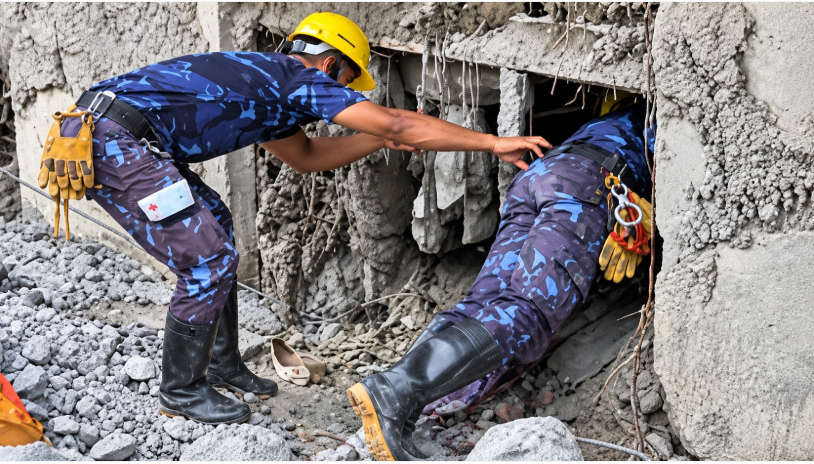
Nepal remains focused on a major search-and-rescue operation following the devastating Bhote Koshi River floods of August 26. Twelve days after the disaster, emergency teams continue searching affected areas in Rasuwa, Nuwakot, Dhading and other districts. The flooding caused extensive damage to homes, roads, bridges, hydropower facilities and other critical infrastructure. Nepal’s Ministry of Foreign Affairs said search, rescue and relief operations were continuing on September 6.
Key Nepal Headlines Today
- Bhote Koshi Floods: Search-and-rescue operations continue across severely affected districts.
- Missing People: Thousands remain unaccounted for as teams continue searches in damaged areas.
- Rescue Operations: Nepali security forces and disaster-response teams remain deployed.
- Infrastructure Damage: Roads, bridges, buildings and hydropower facilities have suffered extensive destruction.
- International Assistance: Foreign rescue teams and equipment are supporting Nepal’s emergency response.
- Border Coordination: Nepal continues working with China and other partners to assist affected citizens.
- Relief Contributions: Nepali diplomatic missions have been directed to facilitate international and diaspora relief contributions.
- Tourism Update: Authorities say travel advisories should remain focused on affected areas while other parts of Nepal remain open to tourists.
The disaster has created significant challenges for rescue workers. Some affected locations are difficult to reach because roads and bridges were washed away, while damaged hydropower sites and tunnels require specialist rescue equipment.
International support has become an important part of the response. Nepal has been working with neighbouring countries and international partners to obtain rescue equipment, technical expertise and emergency supplies. Teams from countries including India, China, South Korea, Australia and Malaysia have participated in rescue and disaster-response activities.
The government is also working to restore transportation, electricity and telecommunications in affected communities. Temporary bridges and alternative crossing systems are being used to reconnect areas cut off by the flooding.

The impact on Nepal’s energy infrastructure is particularly significant. Hydropower facilities in the affected areas have suffered damage, creating concerns about repairs, electricity generation and the wider economic cost of reconstruction.
Authorities are also working to identify recovered bodies through forensic procedures and DNA matching. This process is particularly important for families waiting for information about missing relatives.
Nepal’s government has urged continued international cooperation as the country moves from emergency rescue toward relief and eventual reconstruction. The scale of damage means recovery is expected to require substantial resources.
The disaster has also renewed discussion about climate-related risks in the Himalayan region. Officials and international partners are increasingly focusing on preparedness, early-warning systems and resilient infrastructure to reduce the impact of future extreme weather events.
For residents and travellers, authorities continue to recommend following official notices concerning roads, rivers, weather and affected districts. Nepal’s Foreign Ministry has emphasized that travel advisories should be targeted at the specific flood-affected areas rather than the entire country.
The coming days will remain critical as rescuers continue searching for missing people while authorities work to deliver relief and begin planning for reconstruction.
