
Table of Contents
Iran war latest news: The conflict involving Iran, the United States and Israel remains a major international concern, with developments around diplomacy, energy supplies and the Strait of Hormuz being closely watched in India. On September 20, 2026, Iran has communicated conditions to Washington for restarting negotiations, while warning that it is prepared for further conflict if its demands are rejected.
Iran War Latest News Today – Top Headlines
- Iran has communicated seven conditions to the United States for restarting negotiations.
- Tehran has called for an end to hostilities on all fronts.
- Iran is seeking the release of frozen Iranian funds and an end to the naval blockade.
- Qatar is acting as a mediator between Iran and the United States.
- The Strait of Hormuz remains a major concern for global energy markets.
- India is closely monitoring the impact of the conflict on crude oil, shipping and trade.
- Indian companies are exploring opportunities linked to alternative energy routes around the Strait of Hormuz.
- Regional tensions have also affected shipping through the Red Sea and Gulf region.
Iran War and India: Why the Conflict Matters
The Iran war latest news India angle is particularly important because India has extensive economic and commercial links with the Middle East. Oil imports, shipping routes, trade and the safety of Indian citizens in the region are among the issues being monitored by Indian authorities.
The Strait of Hormuz is especially significant because it is a major route for global energy shipments. Continued disruption could affect crude oil prices and transportation costs, creating wider implications for countries that depend heavily on imported energy.
India has previously emphasized the importance of safe navigation and uninterrupted international trade through the region. The Indian government’s stated position during the conflict has focused on de-escalation, dialogue and diplomacy.

Iran Sends Conditions for New Talks
One of the latest developments is Iran’s communication with the United States through Qatari mediators. Mohsen Rezaei, secretary of Iran’s Supreme National Security Council, said Tehran had conveyed seven conditions for beginning negotiations.
Among the publicly reported conditions are an end to the war on all fronts, the release of frozen Iranian funds and the lifting of the naval blockade. Rezaei said Iran was waiting for a response from US President Donald Trump.
Iran has simultaneously warned that it is prepared for continued military confrontation if negotiations do not progress. These statements represent Tehran’s position; the US response and the outcome of any proposed negotiations remain developments to watch.
Strait of Hormuz Remains a Major Issue
The Iran war and Strait of Hormuz continue to be closely connected. The waterway is a critical corridor for oil and gas shipments, making any disruption important for countries across Asia, including India.
A recent Reuters report said the Strait has been largely closed since the beginning of the Iran war. Engineers India said it expects opportunities from infrastructure projects designed by Middle Eastern clients to reduce dependence on the waterway.
For Indian consumers and businesses, developments in the Strait can have wider implications because changes in global crude prices can influence fuel costs, transportation expenses and inflation.
India Watches Oil and Energy Markets
The conflict has also increased attention on crude oil markets in India. Analysts have been monitoring geopolitical developments alongside US monetary policy, currency movements and global energy prices because these factors can influence commodities such as crude oil and gold.
India’s large energy requirements mean that prolonged instability in the Middle East could remain an important economic issue. The impact will depend on the duration of disruptions, global oil availability, shipping conditions and the response of major energy-producing countries.
Indian Citizens and Regional Travel
The safety of Indian citizens living, working or studying in the Middle East is another important part of India’s response to the regional conflict. During earlier stages of the conflict, the Indian government reported efforts to facilitate the return of citizens through alternative routes when airspace restrictions affected normal travel.
India has also maintained diplomatic contacts with countries involved in the conflict. The government’s previous statements have emphasized protecting Indian nationals while encouraging dialogue and peaceful resolution.
Regional Conflict Continues to Affect Shipping
The wider conflict is not limited to Iran, Israel and the United States. Developments involving Yemen’s Houthi movement have also affected regional security and shipping routes.
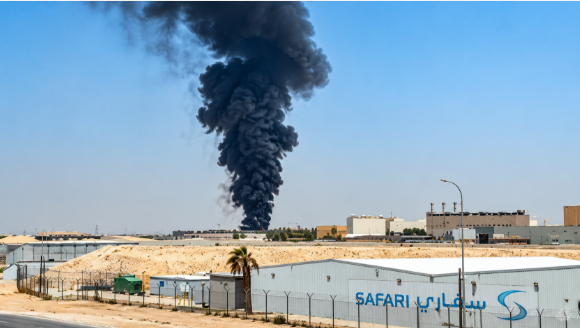
On September 20, reports said Houthi forces launched missile and drone attacks toward Saudi Arabia, while Saudi authorities reported intercepting a ballistic missile targeting Riyadh. The developments add another layer of uncertainty for commercial shipping and regional security.
