
Table of Contents
Japan is facing a series of major developments today, with severe weather affecting parts of the country while financial markets closely watch the Japanese yen and the Bank of Japan’s interest-rate outlook. Political, economic and public-safety issues are also attracting attention across the country.
Heavy Rain Hits Tokyo and Surrounding Areas
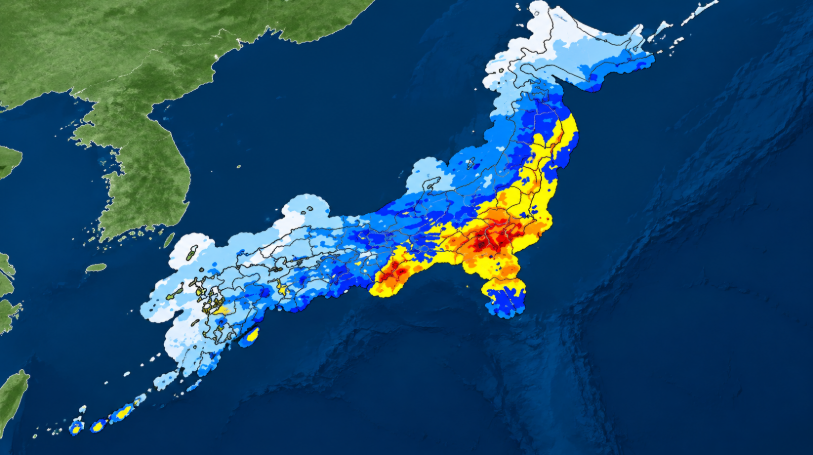
Heavy rain has caused disruption across Tokyo, Chiba, Kanagawa and other parts of eastern Japan. The Japan Meteorological Agency issued its highest-level landslide warning for parts of the Izu Islands, including Niijima, Toshima and Oshima.
Rainfall reached exceptional levels in some locations. Izu Oshima recorded more than 580 millimeters of rain over a 24-hour period, while several areas around the Tokyo metropolitan region recorded more than 200 millimeters. Authorities warned residents to remain alert for flooding, rising rivers and landslides.
The severe weather has also disrupted daily life.

- Thousands of schools have canceled classes.
- Train services have been reduced or suspended in some areas.
- Some roads have been closed because of flooding.
- Shinkansen services have experienced delays.
- Emergency authorities are continuing to monitor vulnerable areas.
A woman in her 60s died after a vehicle became submerged in a flooded underpass in Iwaki, Fukushima Prefecture, according to reports.
Yen Reaches a Seven-Month High
Japan’s currency has strengthened sharply against the U.S. dollar. The yen rose to its strongest level in around seven months as investors increased expectations that the Bank of Japan could raise interest rates this month.
The currency’s movement represents a major reversal after a period of substantial weakness. Investors are now watching Japanese monetary policy closely as inflationary pressures and currency movements influence expectations for the next BOJ decision.
Japan’s Foreign Reserves Fall Sharply
Japan’s foreign-exchange reserves recorded their largest-ever monthly decline in August. Government data showed reserves fell by approximately $79.6 billion to around $1.208 trillion. The decline followed record intervention by Japanese authorities to support the yen.
Key Japan Headlines
- Heavy rain disrupts transportation and schools.
- Highest-level landslide warnings issued in parts of the Izu Islands.
- Yen climbs to a seven-month high.
- Investors expect a possible BOJ rate increase.
- Japan’s foreign reserves record a record monthly decline.
- Markets remain focused on inflation and currency policy.
Japan’s latest developments show how weather risks and economic policy are simultaneously shaping the country’s news agenda. Authorities remain focused on public safety while financial markets prepare for potentially important monetary-policy decisions.
