
Table of Contents
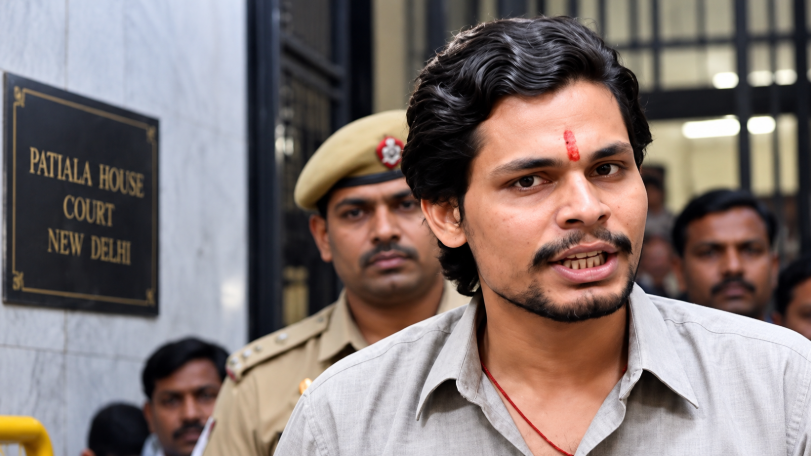
The Delhi High Court has agreed to hear urgently a plea filed by influencer Swatantra Bhardwaj challenging his arrest in a case connected with an alleged assault during a protest at Jantar Mantar. The development has placed the case back in the spotlight as the court examines the legal challenge to his custody.
Bhardwaj is currently in custody in connection with allegations arising from an incident involving the father of a student activist. Delhi Police have added provisions under the Scheduled Castes and Scheduled Tribes (Prevention of Atrocities) Act and criminal intimidation provisions, according to reports.
High Court Agrees to Urgent Hearing
The matter was brought before the Delhi High Court with the petitioner’s side seeking urgent judicial intervention. The court’s decision to take up the plea quickly means the legal challenge to the arrest will receive closer examination.
Key Headlines
- Delhi High Court agrees to urgently hear Bhardwaj’s plea.
- The petition challenges his arrest.
- The case is linked to an alleged Jantar Mantar assault.
- Police have added SC/ST Act and criminal intimidation charges.
- A separate POCSO case has also been registered, according to reports.
- Bhardwaj remains in custody while the legal proceedings continue.
Case Draws Political and Legal Attention
The incident has attracted attention because it involves a protest setting and allegations concerning activists and public figures. Cases involving demonstrations can raise questions about the balance between the right to protest, public order and criminal accountability.

The High Court’s role at this stage is to examine the legal issues raised by the petition and determine whether the arrest and continued custody meet the applicable legal requirements.
Importance of Judicial Review
An urgent hearing does not mean that the court has accepted the allegations or decided the final outcome of the case. It provides an opportunity for the petitioner’s arguments and the authorities’ position to be examined through the judicial process.
The development also highlights the importance of judicial review in cases involving arrest and detention. Courts can examine whether legal procedures have been followed and whether continued custody is justified under the circumstances.
Delhi High Court’s Wider Legal Work
The latest developments come as the Delhi High Court continues to issue judgments across criminal, civil, commercial and constitutional matters. The court’s official website lists fresh judgment pronouncements and ongoing judicial activities for September 2026.
For the Jantar Mantar case, the next stages will depend on the court’s consideration of the petition and the responses from the authorities. The urgent hearing is expected to provide further clarity on the legal challenge to Bhardwaj’s arrest.
The case remains an example of how the Delhi High Court handles urgent petitions involving arrest, individual liberty and allegations arising from public demonstrations.
