
Table of Contents
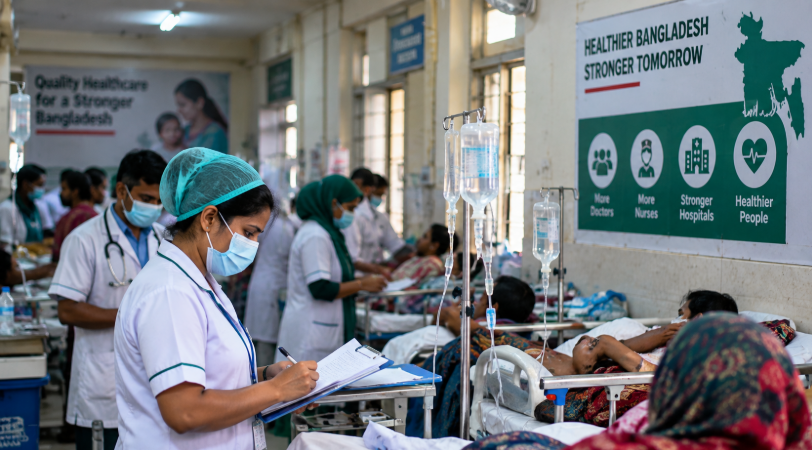
Bangladesh’s healthcare system is facing a major staffing challenge, with nearly one-third of approved positions across three key health agencies remaining vacant.
According to recent official data reported by The Daily Star, around 31.21 percent of 234,024 posts across the Directorate General of Health Services (DGHS), Directorate General of Family Planning (DGFP) and Directorate General of Nursing and Midwifery (DGNM) are currently unfilled. The shortage is raising concerns about the ability of the health system to provide adequate services to a growing population.
Bangladesh Health News: Key Headlines
- 31.21% of posts vacant: Major health agencies are operating without almost one-third of their required workforce.
- Three agencies affected: DGHS, DGFP and DGNM are facing significant staffing shortages.
- Healthcare services under pressure: Vacancies can increase workloads for existing medical staff.
- Nursing shortage: A lack of trained personnel can affect patient care and hospital operations.
- Urgent recruitment needed: Health-sector staffing has become a growing policy concern.
Healthcare Workforce Under Pressure
Hospitals and health facilities depend on doctors, nurses, technicians, family-planning workers and other professionals to provide continuous services.
When positions remain vacant for extended periods, existing employees may face increased workloads. This can contribute to longer waiting times and put additional pressure on healthcare facilities.

The staffing problem is particularly important for Bangladesh because public healthcare facilities provide essential services to large sections of the population.
Three Major Agencies
The staffing shortage affects three major government health organisations.
The Directorate General of Health Services plays a central role in managing public health services and hospitals. The Directorate General of Family Planning provides family-planning and reproductive-health services, while the Directorate General of Nursing and Midwifery is responsible for the country’s nursing and midwifery workforce.
Vacancies across all three agencies therefore have the potential to affect multiple areas of healthcare delivery.
Why Staffing Matters
A healthcare system requires enough trained professionals to meet patient demand. Staffing shortages can become especially challenging during disease outbreaks or periods when hospitals experience unusually high patient numbers.
Bangladesh has recently faced significant pressure from infectious diseases, including dengue and measles. Recent reports have also highlighted concerns about healthcare capacity and staffing.
The country’s health authorities therefore face the dual challenge of managing immediate healthcare needs while strengthening the workforce for the future.
Need for Long-Term Planning
Recruitment alone may not solve every workforce problem. Authorities also need to consider training, retention, career development and the distribution of healthcare workers between urban and rural areas.
Ensuring that qualified professionals are available outside major cities is particularly important. Rural communities often face greater difficulty accessing specialised healthcare services.
Improving working conditions and providing opportunities for professional development could also help retain experienced healthcare workers.
Public Health Implications
Adequate staffing is essential for preventive healthcare as well as hospital treatment. Family-planning services, vaccination programmes, disease surveillance and community healthcare all depend on sufficient personnel.
A stronger workforce could also help Bangladesh respond more effectively to future health emergencies.
The latest figures have therefore renewed calls for authorities to address vacant posts and strengthen the country’s healthcare infrastructure.
Web Story Highlights
Bangladesh healthcare agencies face major staffing shortages.
More than 31% of posts remain vacant across three key agencies.
Existing healthcare workers face increased pressure.
Nursing and family-planning services are also affected.
Recruitment and long-term workforce planning remain priorities.
The staffing shortage represents an important challenge for Bangladesh’s healthcare system. Filling vacant positions, strengthening training and improving workforce planning could help ensure that hospitals and community health services are better prepared to meet the country’s future healthcare needs.
