
Table of Contents
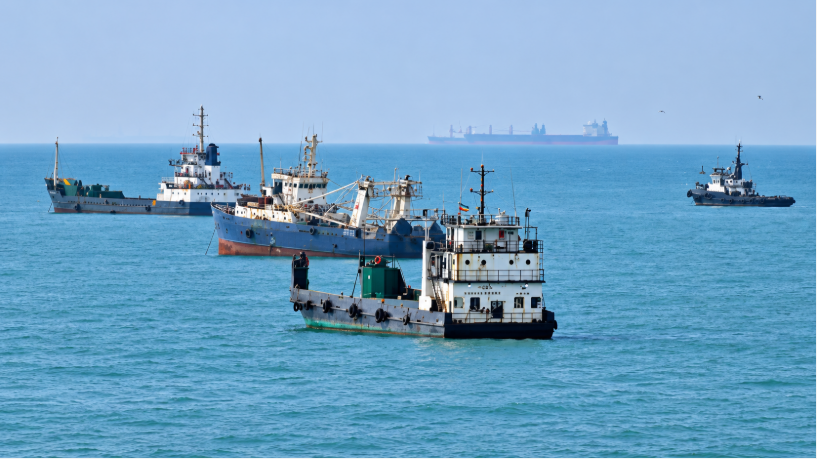
Tensions between Iran and the United States have intensified sharply after US forces struck three Iranian crude-oil tankers on September 5, according to US Central Command. The strikes came after Iran’s Islamic Revolutionary Guard Corps launched ballistic missiles at two US Navy ships, marking another serious escalation in the ongoing conflict.
US Central Command said the attacks were intended to impose an economic cost on Iran after the reported missile launches. No American personnel were reported injured in the incident. Iranian media reported that crews were being evacuated from at least one tanker.
Iran News: Key Headlines
- Three Iranian tankers struck: US forces targeted three Iranian crude-oil carriers.
- Missile attacks reported: The US said Iran’s IRGC launched ballistic missiles at two American naval vessels.
- Kharg Island in focus: One tanker was reportedly targeted near Iran’s important oil-export hub.
- No US casualties reported: American officials said no US personnel were harmed.
- Oil markets watching: The escalation could create further uncertainty for global energy supplies.
Why Kharg Island Matters
Kharg Island is a strategically important location for Iran’s oil industry. Before the current conflict, the island handled a major share of Iran’s crude exports.
Any military activity around the island could therefore have consequences beyond the immediate confrontation between Washington and Tehran. Energy traders are watching developments closely because disruptions around the Persian Gulf can affect crude prices and shipping costs.

Oil prices have already been volatile during the conflict. Brent crude was recently trading near $95 a barrel and was on track for a weekly gain of more than 6%, while US West Texas Intermediate was also significantly higher for the week.
Wider Military Escalation
The tanker strikes follow a series of recent attacks between Iran and the United States.
Washington has carried out strikes against Iranian military and maritime infrastructure, while Tehran has launched attacks against US-linked military positions across the region. The renewed fighting has raised fears that the conflict could spread further across the Gulf.
The Strait of Hormuz remains particularly important. The waterway is one of the world’s most significant energy routes, and any prolonged disruption could affect oil and fuel prices internationally.
Economic Pressure on Tehran
The United States is also increasing economic pressure on Iran. Washington recently announced sanctions against a Turkish investment bank and two related companies, accusing them of providing financial services connected to Iranian institutions and the Islamic Revolutionary Guard Corps’ Qods Force.
The sanctions are part of a broader American campaign designed to restrict Iran’s access to international financial networks.
What Happens Next?
The latest strikes could increase pressure on both sides to consider their next military and diplomatic moves. Regional governments are also concerned about the potential effects on shipping, energy supplies and civilian populations.
The international community has repeatedly called for de-escalation, but negotiations remain difficult while military operations continue.
Web Story Highlights
US forces strike three Iranian oil tankers.
Iran reportedly launches missiles at US Navy ships.
Kharg Island becomes a major focus of concern.
Oil markets remain sensitive to the conflict.
US sanctions add further economic pressure on Tehran.
The latest escalation demonstrates how quickly the Iran-US confrontation can affect military operations, energy markets and regional security. Global markets and governments will be closely watching for any further attacks or signs of renewed diplomacy.
